Keywords:
rule of law, constitutional crisis, Constitutional Tribunal, judicial independence, National Council of the Judiciary, prosecution service, disciplinary judiciary, public media, freedom of conscience and religion, restorative measures
Published:March 11, 2026
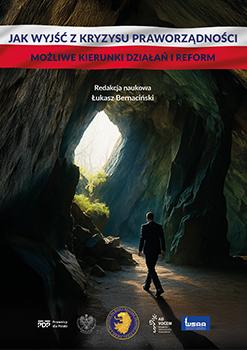
Chapter Four discusses the issue of the government ceasing to publish the rulings of the Constitutional Tribunal in the Journal of Laws since March 2024, which the author of the report considers a direct violation of the Polish Constitution. These actions, motivated by resolutions of the Sejm and the Council of Ministers, lead to legal chaos and deprive citizens of certainty regarding the legal effects of the issued rulings. The greatest threat is the inability to reopen civil, criminal, and administrative proceedings based on provisions overturned by the Tribunal.
As part of corrective measures, the author demands the immediate publication of all overdue rulings and that those responsible for the failure to publish be held constitutionally and criminally liable. He also advocates for the enactment of regulations suspending the time limits for reopening cases and the statute of limitations for damage claims for the duration of the publication freeze. This will ensure that citizens do not lose their rights to seek redress for their grievances due to delays caused by state organs.
In the long term, it is proposed to strip the Government Legislation Center of its monopoly on publishing rulings and transfer this competence directly to the Constitutional Tribunal to prevent the government from using obstruction. In the event that conditions for amending the Polish Constitution arise, the author also considers the complete elimination of the Constitutional Tribunal and the transfer of its competencies to a newly created chamber of the Supreme Court.
Łukasz Bernaciński, Ordo Iuris Institute
Doktor nauk prawnych. Współzałożyciel i Prezes Towarzystwa Naukowego Polskiego. Wiceprezes Ośrodka Analiz Prawnych, Gospodarczych i Społecznych im. Hipolita Cegielskiego, członek zarządów Fundacji Instytut na rzecz Kultury Prawnej Ordo Iuris oraz Fundacji Centrum Wspierania Inicjatyw dla Życia i Rodziny. Zastępca redaktora naczelnego czasopisma naukowego „Kultura Prawna”. Czterokrotny stypendysta stypendium Rektora Uniwersytetu Łódzkiego. Dysertację doktorską pt. Obywatelski odpis podatkowy jako potencjalne źródło finansowania kościołów i innych związków wyznaniowych w Polsce. Perspektywa prawnowyznaniowa obronił z jednogłośnym wyróżnieniem. Prelegent ponad dwudziestu międzynarodowych i ogólnopolskich konferencji naukowych. Autor lub współautor ponad dwudziestu publikacji naukowych, w tym trzech monografii, a także kilkunastu projektów ustaw, ponad sześćdziesięciu analiz, opinii prawnych, raportów i poradników oraz ponad pięćdziesięciu komentarzy popularnonaukowych. Absolwent programów liderskich z zakresu prawa, zarządzania oraz funkcjonowania organizacji pozarządowych. W pracy naukowo-badawczej koncentruje się na prawie wyznaniowym, prawie konstytucyjnym i prawach człowieka.
Copyright (c) 2026 Ordo Iuris Institute for Legal Culture - Scientific Press
Bernaciński, Łukasz (2026) “Non-publication of Constitutional Tribunal judgments and its consequences”, in Finding a way out of Poland’s rule-of-law crisis: Possible courses of action and reform. Warszawa: Ordo Iuris Institute for Legal Culture - Scientific Press (Reports). doi:10.37873/k5rf1j02.